
Blog
Stories and guides from Emerge.ai.
Bring Your Own AI to Work, Privately
Use AI with work data the private way. Lockdown Mode uses only Emerge servers and privately hosted models. Individual Pro is $20/month.
Read more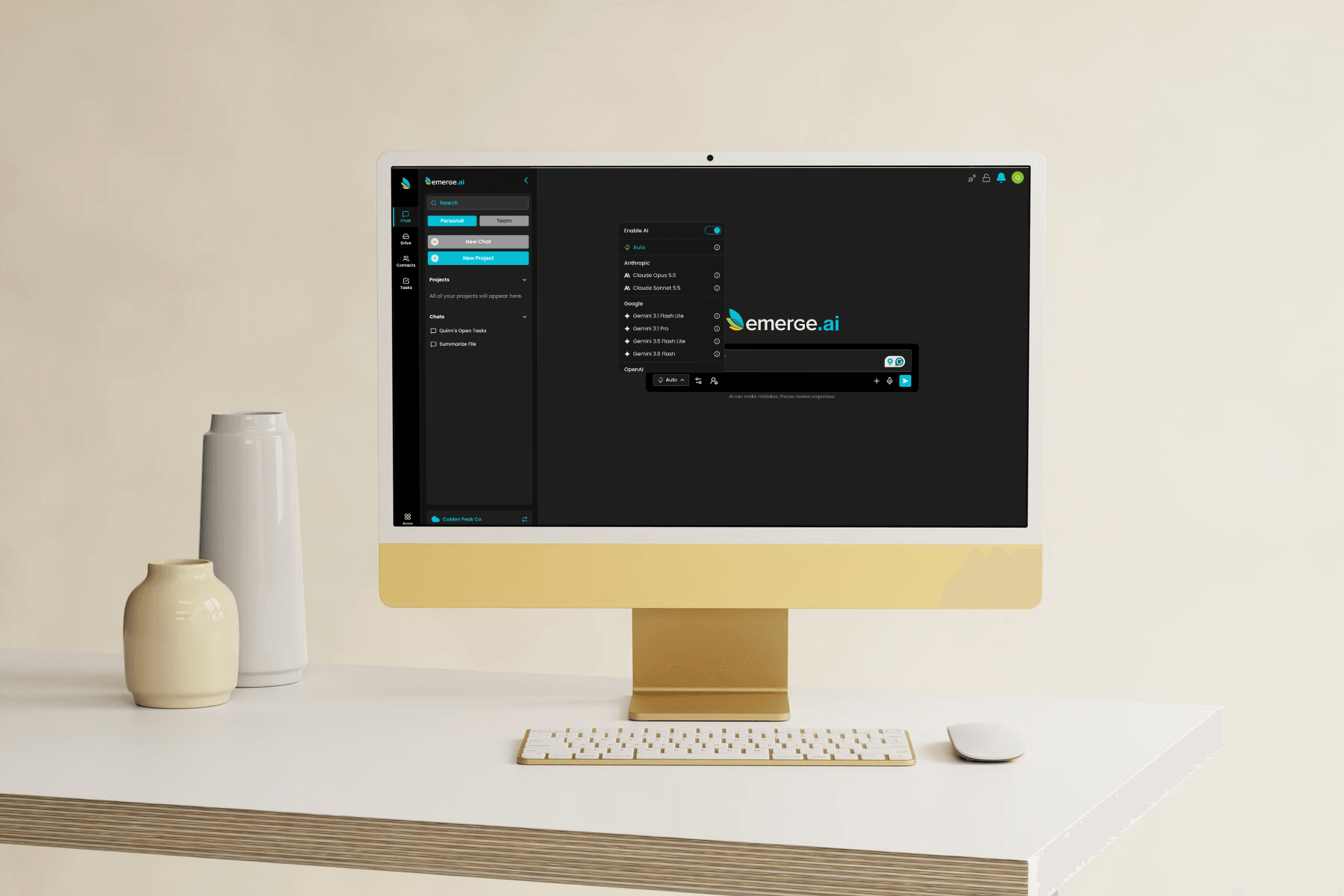
Why You Should Use Different AI Models for Different Needs
If your company has built its AI strategy around one model, a week like that can feel like a lot of change. It doesn't have to. The smarter move is to stop looking for one winner and use the right model for each job.
Read more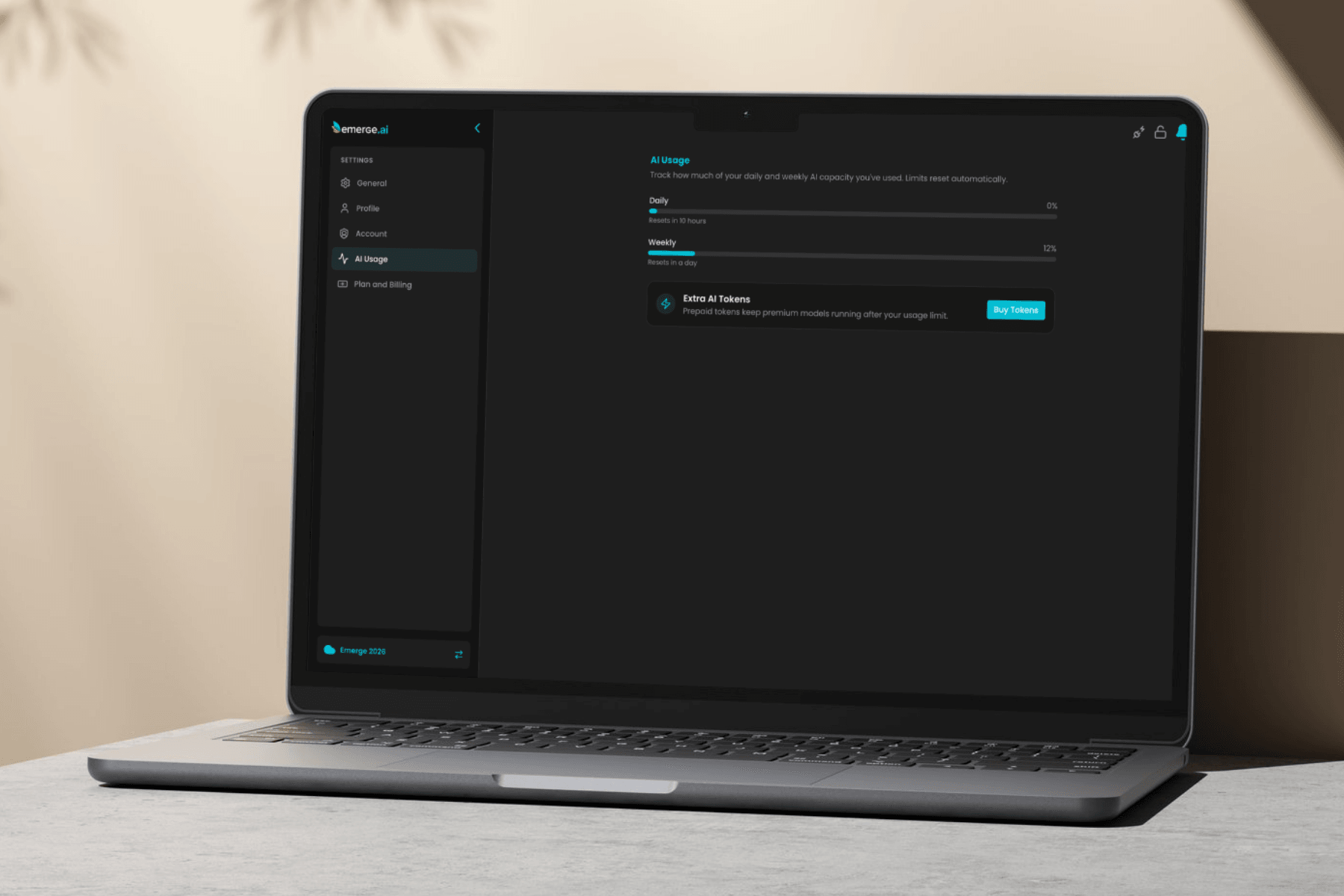
Understanding Usage Limits
If you’re using Emerge.ai, you may notice that each account has a usage limit. Here’s a simple breakdown of what that means, how it works, and what happens if you reach it.
Read more
Never Locked Out: Seamless Leadership Anywhere
Being away from a desk often creates a "productivity gap." When leaders are on the move, they are frequently disconnected from the data, internal documentation, and collaborative workflows they rely on for critical decisions. Information is fragmented, time is tight, and waiting to reach a secure, reliable workspace can mean missed opportunities or delayed momentum.
Read more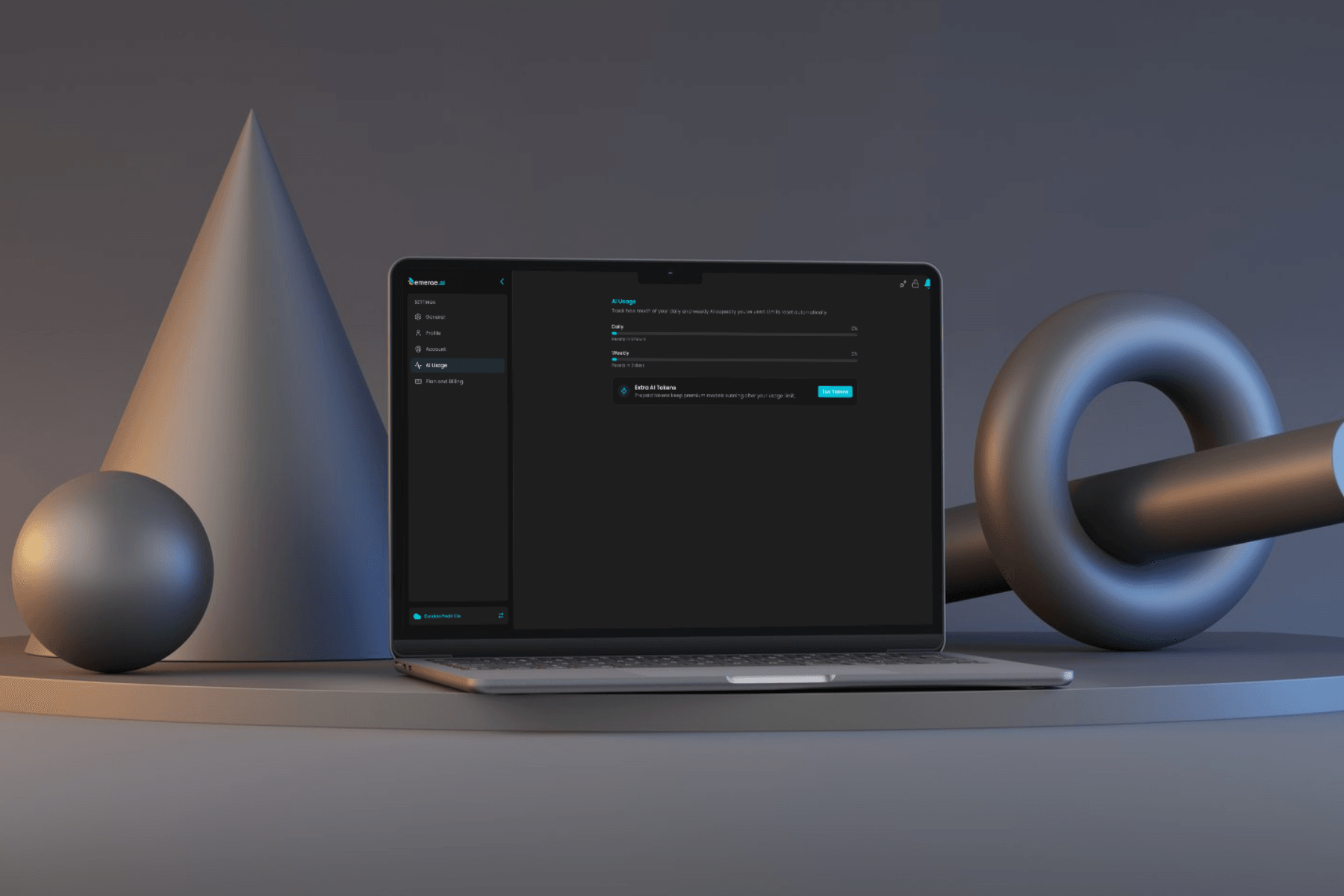
Hitting the Token Wall: Why AI Usage Caps Are Breaking Workflows
You're mid-task. The document is half-drafted, the analysis is half-run, the code is half-written. Then it happens: "You've reached your usage limit." Welcome to the token wall — the ceiling that's become one of the most common frustrations in Business AI in 2026. And it's costing companies more than they realize.
Read more
Use Case: Privacy & Security for Legal and Law Enforcement Organizations
In August 2026, The Washington Post revealed that chatbot conversations with tools like ChatGPT are increasingly being swept into civil and criminal court proceedings — with reporters identifying at least a dozen cases over the past two years where consumer AI chat logs were subpoenaed, entered into evidence, or otherwise exposed personal and sensitive information that users believed was private.
Read more
Why AI Choice Is the Only Strategy That Survives 2026
For the last two years, most businesses adopted AI the same way they adopted software in the 2000s — pick a vendor, sign the contract, build your workflows around it. But AI isn't behaving like static software. It's behaving like a market in constant motion, where the "best" model for coding, reasoning, live research, or high-volume drafting changes month to month, and where availability itself can't be taken for granted.
Read more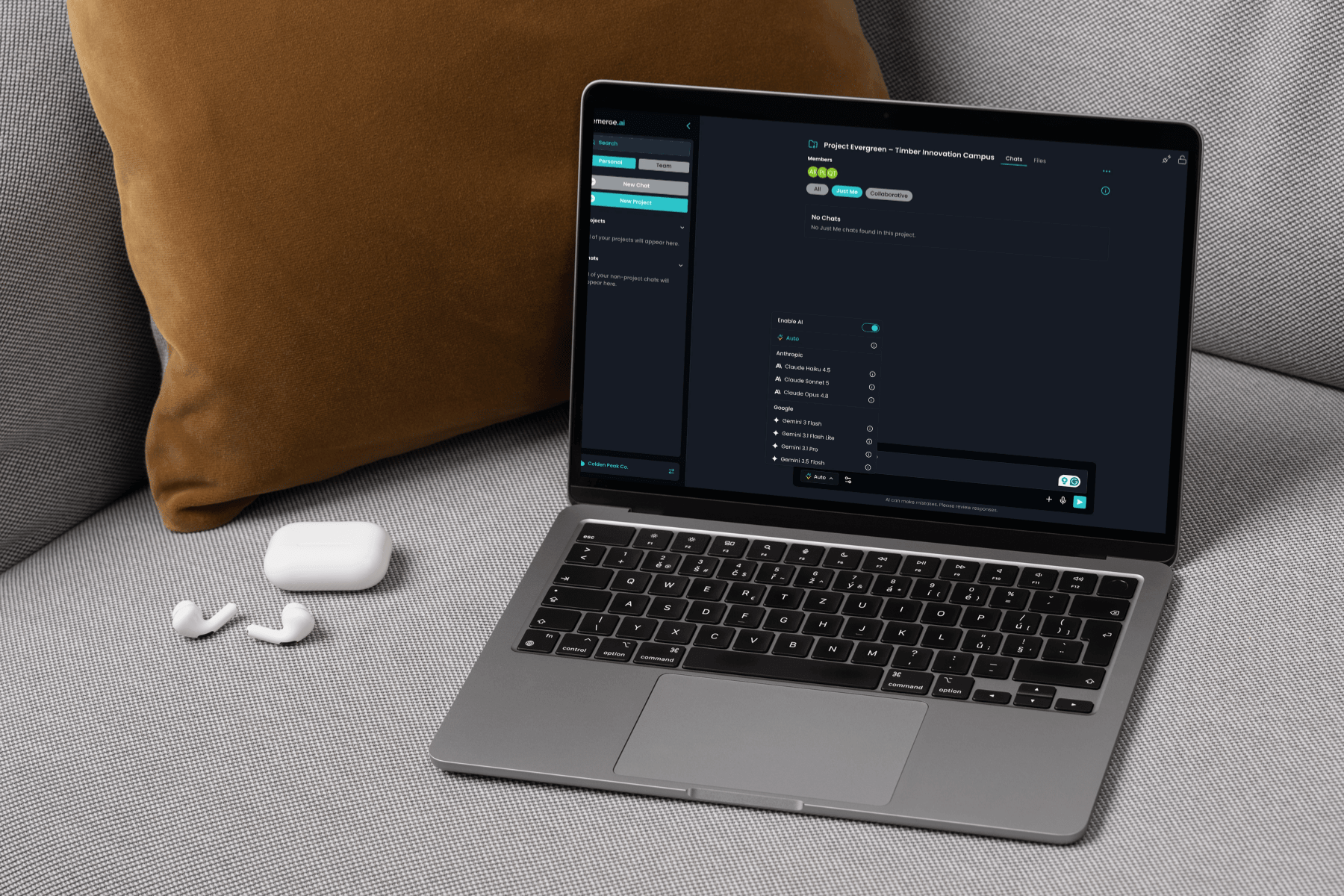
Stop Juggling Tabs. Your AI Stack Just Got a Whole Lot Simpler.
A recent industry survey found that only 32% of regular AI users rely on a single tool — the rest are bouncing between two, three, or more. We open ChatGPT for one task, switch to Claude for a coding problem, pull up Gemini for something else, and somewhere in there we're also paying for all three. It's a symptom of something the industry now openly calls "AI fatigue"and it's exactly the problem Emerge.ai was built to solve.
Read more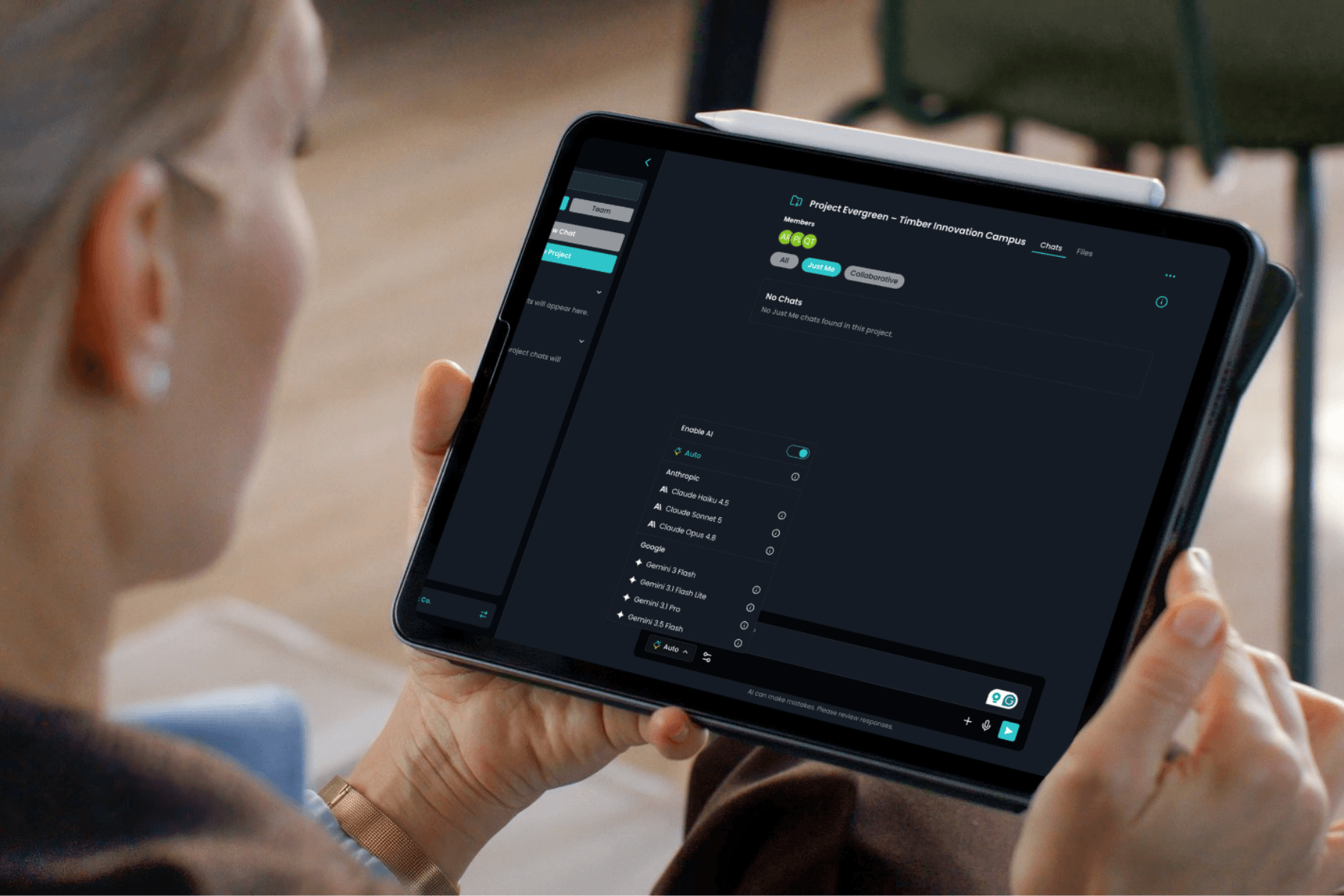
Why AI Shouldn’t Stop the Moment You Need It Most
If you’ve ever hit a token limit, chat cap, or usage wall right when you were in the middle of a breakthrough, you already know the problem: many AI tools are great until they suddenly aren’t. One minute you’re drafting, researching, brainstorming, or troubleshooting. The next, you’re locked out and forced to wait, reset, or pay more.
Read more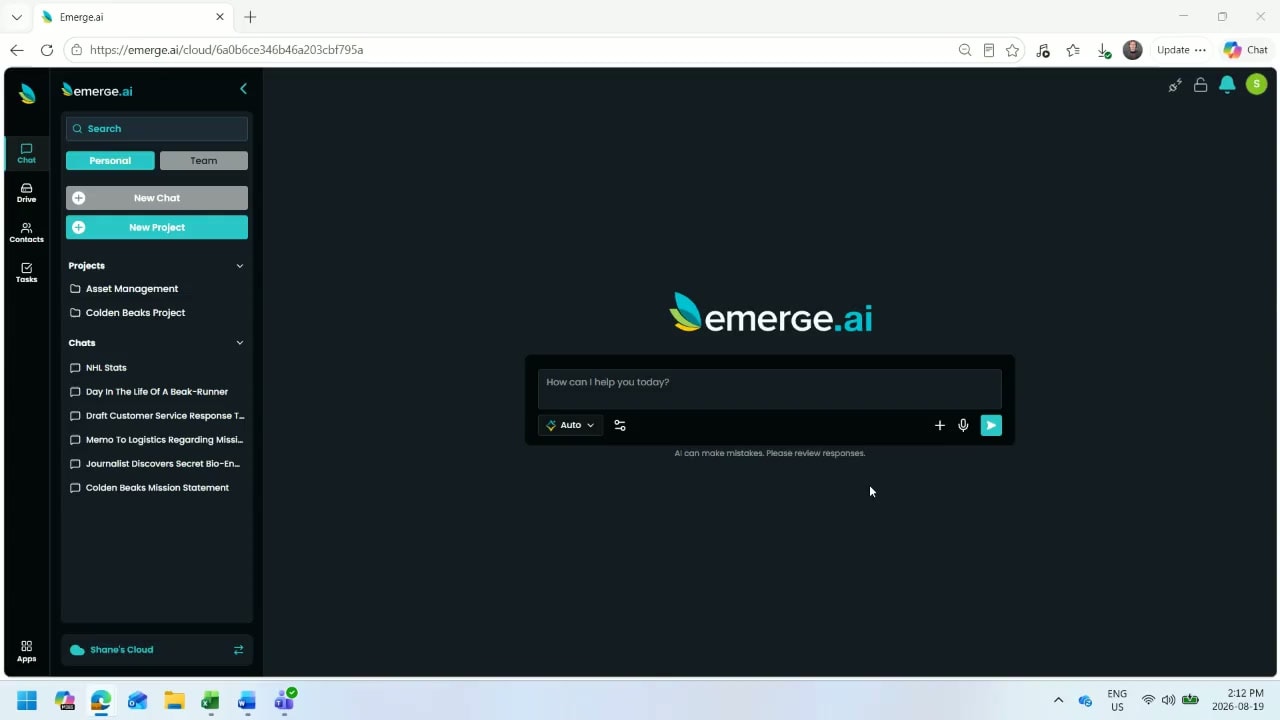
How to Set Up Instructions in Emerge.ai
If you use Emerge.ai regularly, one of the simplest ways to get better results is to set up Instructions. Instructions are saved guidelines that shape how the AI responds. Instead of re-explaining who you are, what you do, or how you want something written every time, you can save that context once and apply it where needed.
Read more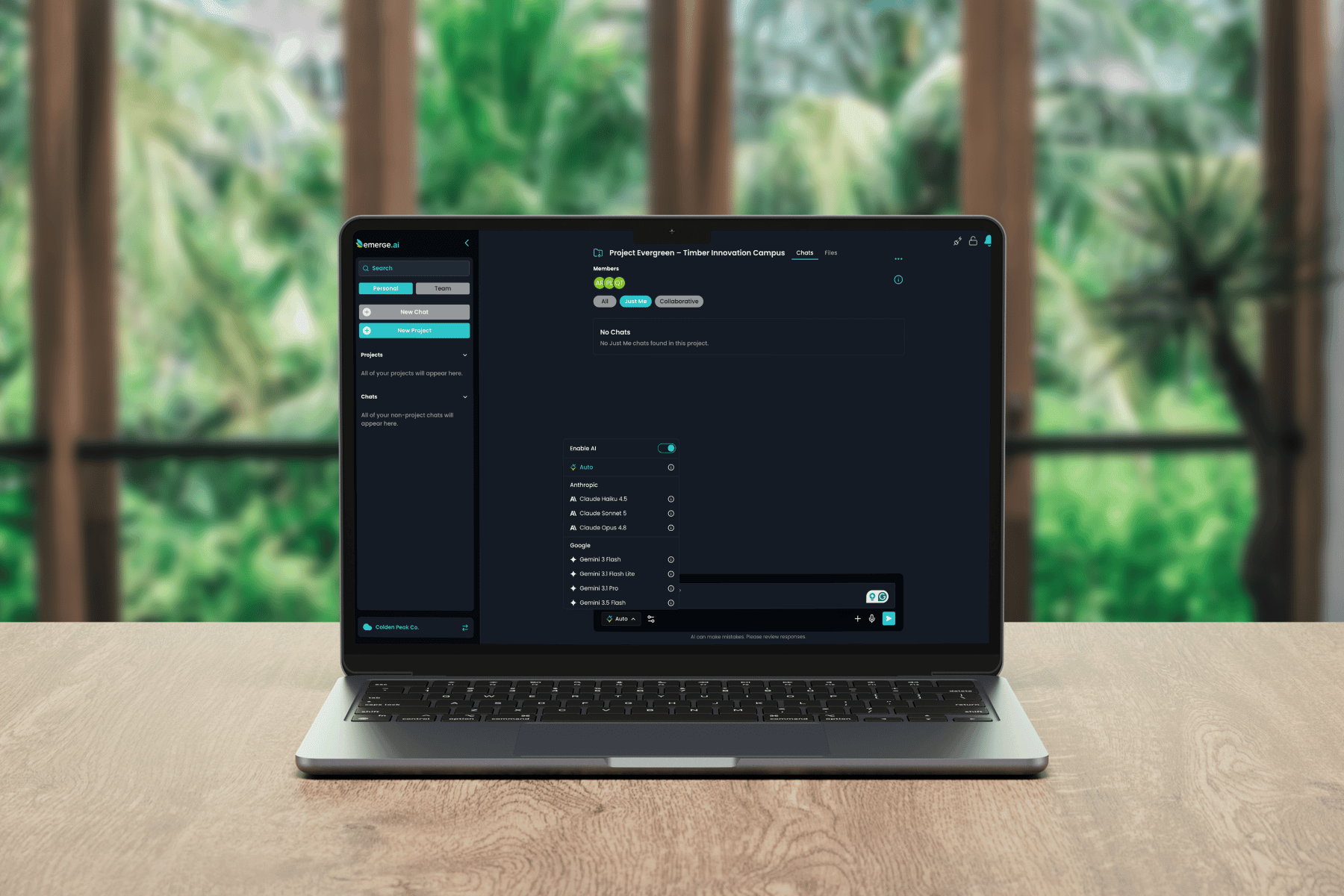
Troubleshooting AI Responses
What should you do if the AI’s first response isn’t quite right? The short answer: treat it as a starting point, not the final draft.
Read more
How Emerge.ai Helps Make Team Workflows Smoother and More Connected
With Emerge.ai, teams can keep project context, files, chats, and instructions together in a shared workspace. That means people can find what they need without digging through multiple tools or asking around for the latest version.
Read more